
Let’s be completely honest with each other for a second.
Moreover, Auto News readers may feel overwhelmed by modern car news articles. They might think a master’s degree is required to understand what is going on.
Between corporate buzzwords, confusing battery jargon, and endless online arguments about transport’s future, keeping track of what happens is hard.
In Auto News, the automotive world often feels like a full-time job to follow.
Well, take a deep breath, because the automotive landscape in 2026 has finally settled into something real and practical.
Instead of wild, unrealistic concept cars that never reach a showroom, this year focuses on sensible powertrain choices.
Moreover, software integration improves reliability, and vehicles are built to handle real-life human needs.
Whether you are a car enthusiast or shopping for a family daily driver, Auto News offers a human-written breakdown.
It covers the biggest automotive news and trends for 2026.
1. The Powertrain Reality Check: Choice Beats Dogma
During a few years, automotive news felt like an all-or-nothing debate.
You had to pick a side in a culture war.
Thankfully, 2026 has brought a massive wave of common sense back to the market.
- The Trend: Automakers have stopped trying to force a single solution on every driver. Instead, the focus has shifted heavily toward consumer choice. We are seeing incredible advancements across the board: highly refined hybrid systems that give you incredible fuel economy without range anxiety, extended-range electric vehicles (EREVs) that bridge the gap, and cleaner internal combustion engines that are more efficient than ever.
- Why It Matters: You don’t have to compromise your lifestyle to buy a car. Whether your daily commute requires plugging into a charger or pulling up to a gas station pump, the technology supporting both has never been more reliable or refined.
2. Software That Actually Works (Death of the Glitchy Touchscreen)
Remember when car companies decided that removing every physical button and hiding climate controls three sub-menus deep on a laggy touchscreen was a brilliant idea? Drivers certainly haven’t forgotten—and thankfully, manufacturers are finally listening.
- The Trend: 2026 is seeing a massive ergonomic pushback. Physical buttons, tactile scroll wheels, and intuitive physical switches are making a glorious comeback on dashboards everywhere. At the same time, native infotainment software has gotten lightning-fast, ditching clunky proprietary menus in favor of seamless, glitch-free smartphone mirroring.
- Why It Matters: Safety is about keeping your eyes on the road. Being able to adjust your cabin temperature or volume with a tactile dial you can find by muscle memory—rather than staring at a glowing slab of glass while driving at 65 miles per hour—is a massive win for everyone on the highway.
3. The Rise of Practical, Repairable Modular Design
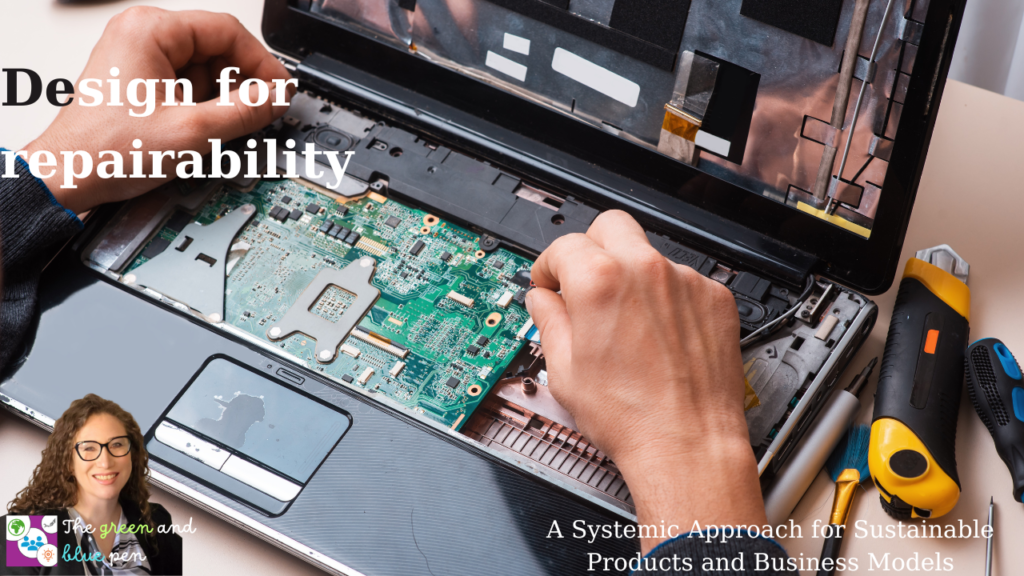
For a long time, modern cars were heading toward a depressing future.
However, a minor software hiccup or a sealed hardware component could mean an astronomical repair bill at the dealership.
- The Trend: Consumer demand and new regulatory pushes for “right to repair” are finally changing how vehicles are built. Manufacturers are leaning into modular interior components, easier-to-service hybrid packs, and over-the-air updates that actually fix bugs instead of creating new ones.
- Why It Matters: People are holding onto their cars longer. Knowing that a vehicle is designed to be easily serviced and maintained without requiring a mortgage for a simple fix gives everyday buyers much more financial peace of mind.
4. Solid-State Batteries and Charging Infrastructure Milestones
If you follow electric or hybrid vehicle tech, you know that charging anxiety and battery longevity have been the two hottest talking points for a decade.
- The Trend: 2026 is marking a massive turning point as early-stage solid-state battery tech transitions from laboratory testing into pilot production fleets, promising vastly improved energy density and drastically faster charge times. Simultaneously, public fast-charging networks have matured, becoming more reliable, standardized, and widespread than ever before.
- Why It Matters: Refueling or recharging an electric or hybrid vehicle is becoming just as seamless as stopping for gas used to be. The infrastructure is finally catching up to the promise.
5. Built for Real Life: The Utility Resurgence

Look at the most popular vehicles hitting the road this year, and you’ll notice a clear pattern: utility is back in style.
- The Trend: Overly aggressive, fragile luxury styling is taking a backseat to rugged, practical design. From clever interior storage solutions and modular roof racks to durable, scratch-resistant bed liners and washable floor setups, cars are being built for actual outdoor adventures and messy daily lives.
- Why It Matters: A car should be a tool that enhances your life, not a fragile trophy you are afraid to drive down a gravel road.