
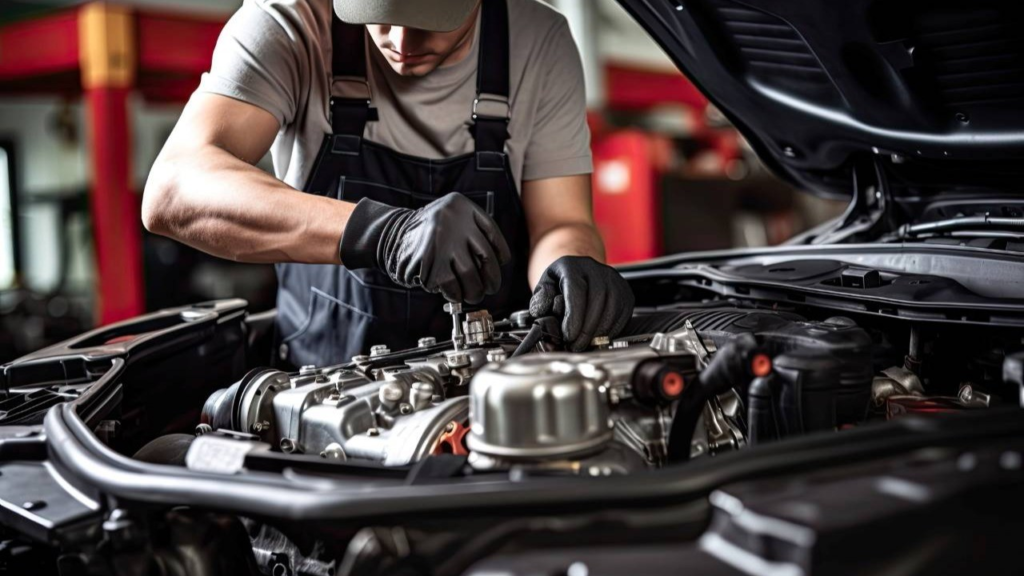
Unexpected vehicle breakdowns are not just frustrating—they can also be expensive and unsafe. Most major car problems don’t happen overnight; they develop slowly due to neglect and lack of regular care. This is where preventive automobile maintenance plays a crucial role.
Preventive maintenance focuses on identifying and fixing small issues before they turn into major repairs. In this guide, we’ll explore what preventive automobile maintenance is, why it matters, and how you can follow a simple routine to keep your vehicle running smoothly for years.
What Is Preventive Automobile Maintenance?
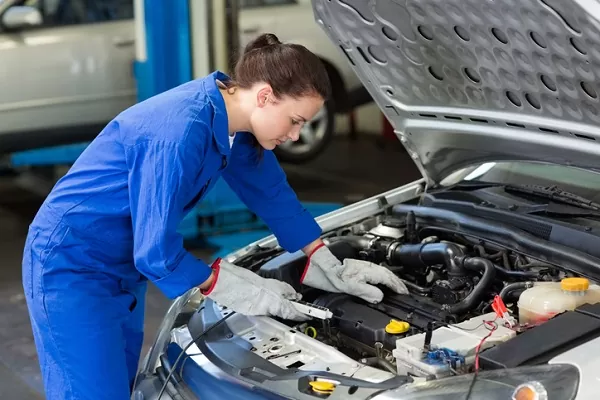
Preventive automobile maintenance refers to regular inspections, servicing, and timely replacement of vehicle components to prevent unexpected failures. Instead of waiting for something to break, preventive maintenance helps you stay one step ahead.
This approach includes:
- Regular oil changes
- Fluid checks and replacements
- Brake inspections
- Tire maintenance
- Engine and battery care
By following a preventive schedule, you reduce repair costs, improve performance, and enhance road safety.
Why Preventive Maintenance Is Important
1. Prevents Costly Repairs
Minor issues like worn brake pads or low engine oil can turn into major problems if ignored. Preventive maintenance catches these issues early, saving you thousands in repair bills.
2. Reduces Breakdown Risk
Routine checks help detect warning signs before your car breaks down on the road, especially during long trips or extreme weather conditions.
3. Improves Vehicle Safety
Well-maintained brakes, tires, and steering systems ensure better control and shorter stopping distances, keeping you and your passengers safe.
4. Extends Vehicle Lifespan
Cars that receive regular maintenance last significantly longer and maintain better resale value.
5. Enhances Fuel Efficiency
A properly maintained engine runs more efficiently, consuming less fuel and producing fewer emissions.
Key Preventive Automobile Maintenance Tasks
1. Regular Engine Oil & Filter Changes
Engine oil lubricates moving parts and prevents overheating. Over time, oil becomes dirty and less effective.
Recommended interval:
- Every 5,000–10,000 km (depending on oil type and vehicle)
Benefits:
- Protects engine components
- Improves mileage
- Prevents engine wear
2. Brake System Inspection
Brakes are one of the most critical safety components. Worn brake pads or low brake fluid can lead to brake failure.
What to check:
- Brake pads and discs
- Brake fluid level
- Unusual noises while braking
Tip: If you hear squealing or feel vibrations, get your brakes inspected immediately.
3. Tire Care & Wheel Alignment
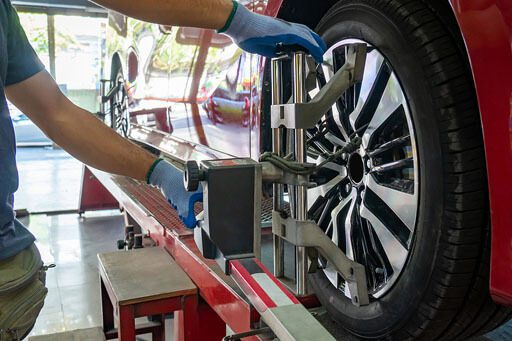
Proper tire care and wheel alignment are essential for safe driving and good fuel efficiency. Maintaining correct tire pressure, rotating tires regularly, and checking tread wear help extend tire life. Wheel alignment ensures that all tires are positioned correctly, preventing uneven wear and improving vehicle handling.
Tires affect handling, comfort, and fuel economy. Poor tire condition increases the risk of accidents.
Preventive actions:
- Check tire pressure monthly
- Rotate tires every 8,000–10,000 km
- Inspect tread depth
- Get wheel alignment and balancing done regularly
Proper tire maintenance improves grip and extends tire life.
4. Battery Maintenance
A weak battery is one of the most common causes of breakdowns.
Check for:
- Corrosion on terminals
- Loose connections
- Slow engine cranking
Average battery life: 3–5 years
Replacing a weak battery early can save you from being stranded.
5. Cooling System & Radiator Check
The cooling system helps prevent engine overheating and damage. Regularly check coolant levels, radiator condition, and hoses for leaks or cracks. Proper cooling system maintenance ensures stable engine temperature, improves performance, and reduces the risk of costly engine repairs.
The cooling system prevents engine overheating.
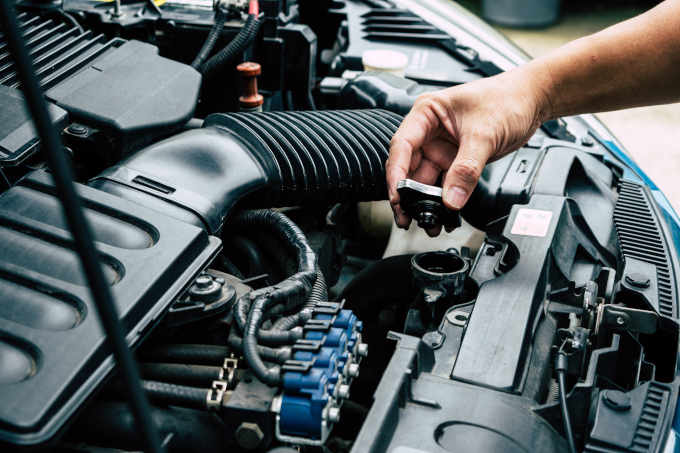
Preventive steps:
- Check coolant levels
- Inspect hoses for leaks or cracks
- Flush coolant as per manufacturer guidelines
Ignoring cooling issues can cause severe engine damage.
6. Transmission & Clutch Care
Transmission repairs are among the most expensive.
Maintenance tips:
- Change transmission fluid on time
- Avoid aggressive driving
- Don’t overload the vehicle
Smooth gear shifts and no burning smells are signs of a healthy transmission.
7. Air & Cabin Filter Replacement
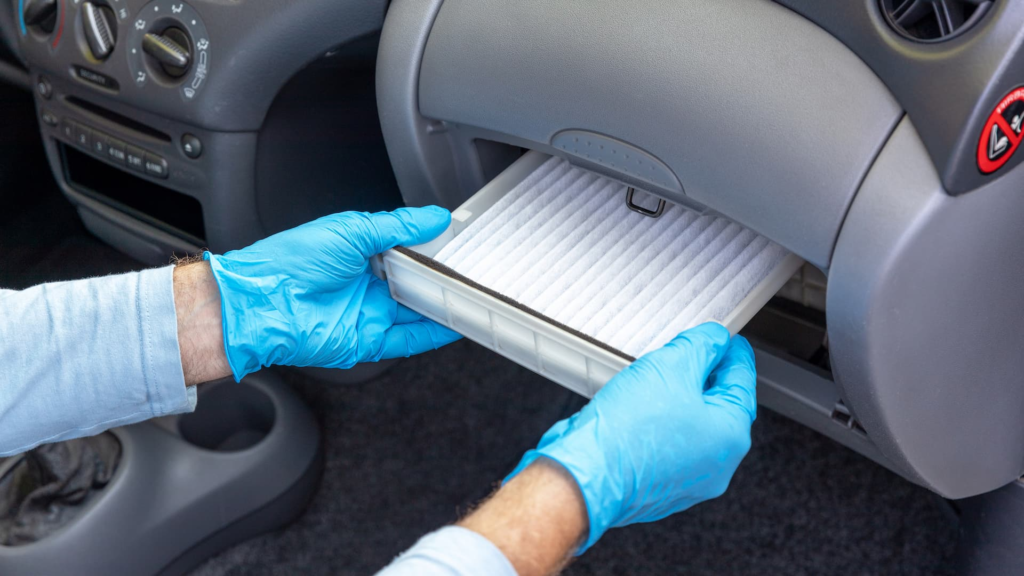
Dirty filters reduce engine efficiency and air quality inside the cabin.
Benefits of clean filters:
- Better engine performance
- Improved fuel economy
- Cleaner air inside the car
Replace air filters every 15,000–20,000 km or sooner in dusty conditions.
8. Suspension & Steering Inspection
Suspension components wear out gradually, affecting ride comfort and control.
Watch out for:
- Uneven tire wear
- Car pulling to one side
- Bumpy or unstable ride
Early detection avoids damage to other connected parts.
Simple Preventive Maintenance Schedule
| Maintenance Task | Frequency |
|---|---|
| Engine oil change | 5,000–10,000 km |
| Tire pressure check | Monthly |
| Brake inspection | Every 10,000 km |
| Battery check | Every 6 months |
| Coolant check | Monthly |
| Air filter replacement | 15,000–20,000 km |

Best New Cars in 2026: Reviews, Features and Buying Tips
Let’s be completely honest for a second. Walking into a car dealership Car Reviews or…

2026 Bike Guide: New Models, Key Features and Rider-Friendly Reviews
You don’t care about corporate marketing fluff. Bike Reviews You want to know what these…

Must-Have Auto Accessories for a Better Driving Experience
Most of us spend way too much time in our cars. Whether you are stuck…

Ultimate 2026 Auto Trends and Industry Updates
As we hit the open road into 2026, new vehicles are more connected to the…
Simple Vehicle Maintenance Tips to Keep Your Car in Good Shape
Let’s be completely honest with each other for a second and pull up a chair….

Latest Electric Vehicles to Check Out in 2026
Let’s be completely honest with each other for a second and pull up a chair….
Tips to Avoid Major Automobile Repairs
- Follow the manufacturer’s service schedule
- Pay attention to warning lights on the dashboard
- Avoid aggressive driving habits
- Keep service records
- Get small issues checked immediately
Preventive care always costs less than emergency repairs.
Final Thoughts
Preventive automobile maintenance is the smartest way to avoid breakdowns, reduce repair costs, and ensure long-term vehicle reliability. A little attention today can save you from major headaches tomorrow.
By following a consistent maintenance routine, you not only protect your investment but also enjoy a smoother, safer, and more efficient driving experience.
The information provided in this article is for general informational and educational purposes only. While every effort has been made to ensure the accuracy and reliability of the content, automobile maintenance practices may vary based on vehicle model, manufacturer guidelines, driving conditions, and usage.
This blog does not provide professional mechanical or technical advice. Readers are advised to consult their vehicle’s owner’s manual or seek assistance from a certified automobile technician or authorized service center before performing any maintenance or repairs. The author and publisher shall not be held responsible for any loss, damage, or injury resulting from the use of the information presented in this article.
#AutomobileMaintenance #PreventiveMaintenance #CarMaintenanceTips #VehicleCare #AutoCare #CarService #CarRepairTips #PreventiveAutoCare #VehicleMaintenance #CarCareGuide #AutoRepair #CarOwnership #Anslation #Carrerbook #EngineCare #BrakeMaintenance #TireCare #CarSafety #AutoTips #CarMaintenanceChecklist #LongLastingCar #DriveSafe