
Let’s be completely honest with each other for a second and pull up a chair. Maintenance How many times have you been driving down the highway, minding your own business, when suddenly a strange dashboard light flashes on, or you hear a weird ticking sound coming from beneath the hood, and your stomach completely drops?
We have all been there. You freeze up, cross your fingers, pretend the noise isn’t happening, and hope your car doesn’t break down miles away from home. We tend to view our cars as magical machines that should just work forever without complaint, until they suddenly don’t. Then we are hit with an eye-watering mechanic bill that makes us wish we had paid attention a little sooner.
If your vehicle maintenance routine currently consists of pure panic and waiting until something breaks, take a deep breath, let those shoulders drop down away from your ears, and give yourself some grace. You are definitely not alone. Most of us feel completely intimidated by car care because nobody ever sat us down and explained it in plain, human English.
The wonderful truth is that keeping your car in fantastic, reliable shape doesn’t require a mechanical engineering degree or hours spent sweating in a greasy garage. True, reliable car care is about building simple, proactive micro-habits, checking the basic vitals regularly, and catching small issues before they snowball into expensive catastrophes.
Whether you want to protect your financial investment, prevent unexpected roadside breakdowns, or simply keep your ride running smoothly for your daily commute, here is your ultimate, real-talk guide to simple vehicle maintenance tips.
The Trap of Reactive Car Care and Why We Need a Reset
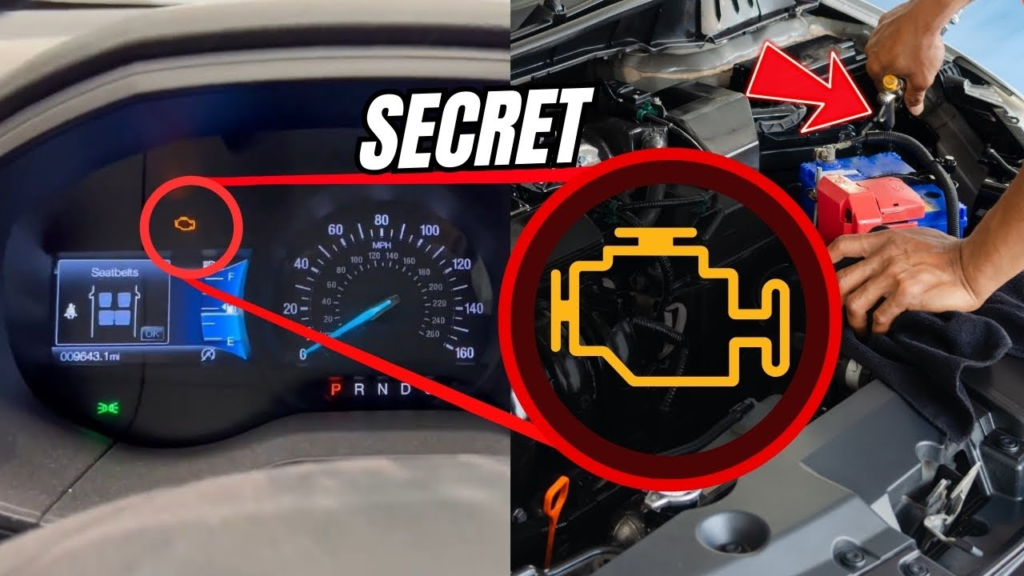
For years, drivers have fallen into the trap of “if it ain’t broke, don’t fix it” when it comes to automobiles. We skip oil changes, ignore slow tire leaks, and drive until a belt snaps or a battery dies on a freezing winter morning.
When you treat your car like an indestructible tank rather than a living machine with moving parts, you guarantee yourself high stress and steep repair bills down the road.
Stepping away from reactive maintenance isn’t a tedious chore; it is an act of smart self-preservation and financial protection. Taking just a few minutes a week to check on your vehicle saves you thousands of dollars and endless headaches in the long run.
1. Mastering the Monthly Tire Pressure Check
Your car’s tires are the only four small patches of rubber connecting your heavy vehicle to the pavement. Yet, out of sight often means completely out of mind until a tire goes totally flat on a busy freeway.
Driving on improperly inflated tires doesn’t just reduce your fuel economy and burn through your hard-earned money at the gas pump; it also ruins your braking distance and creates a serious safety hazard.
- The Monthly Routine: Invest in a simple, inexpensive digital tire pressure gauge and keep it in your glove compartment. Once a month—ideally in the morning when the tires are still “cold”—check your psi against the sticker located on the inside of your driver’s door jamb.
- Why it works instantly: Keeping your tires properly inflated ensures optimal traction, extends the lifespan of your tread, and gives you a noticeably smoother, safer ride on every single drive.
2. The Golden Rule of Consistent Oil Changes

If your car’s engine is its beating heart, then clean motor oil is its lifeblood. Oil lubricates hundreds of moving metal parts spinning at thousands of RPMs. Over time, that oil breaks down, gets contaminated with microscopic dirt particles, and turns into a thick, sludgy mess that can literally destroy your engine from the inside out.
- The Maintenance Habit: Don’t just rely blindly on the old sticker on your windshield; track your mileage and driving habits. If you do a lot of stop-and-go city driving or short trips where the engine barely warms up, your oil degrades much faster than highway driving.
- The Engine-Saving Payoff: Changing your oil and filter right on schedule keeps your engine running cool, clean, and quiet. It is quite literally the single best thing you can do to keep your car alive past the 150,000-mile mark.
3. Checking Your Fluids: Beyond the Windshield Washer
When people hear “check your fluids,” they usually think of pouring blue water into the windshield wiper reservoir. But your car relies on a whole ecosystem of essential fluids to function safely.
Ignoring these hidden fluids is a recipe for overheating, brake failure, and power steering lockups.
- The Under-Hood Scan: Once a month, pop your hood when the engine is cold and spend two minutes looking at your dipsticks and translucent fluid reservoirs. Check your coolant (antifreeze), brake fluid, power steering fluid, and transmission fluid.
- What to look for: Ensure levels sit comfortably between the minimum and maximum lines. If you notice a fluid level dropping rapidly or leaking onto your driveway, get it looked at immediately before a minor leak becomes a major disaster.
4. Listening to Your Brakes and Wiper Blades
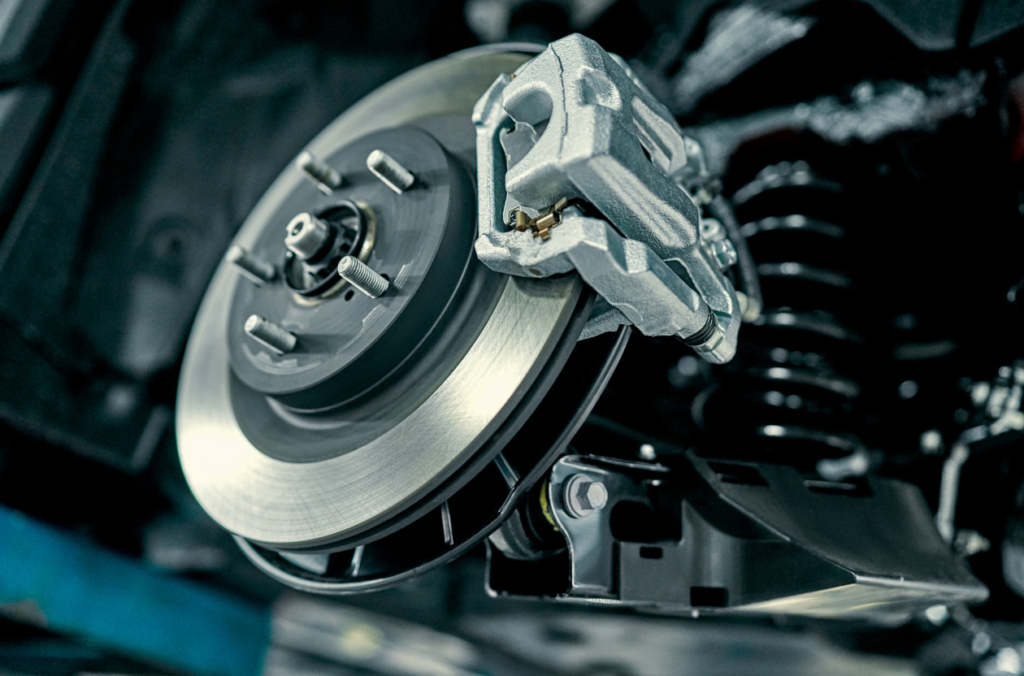
Your car can take care of going fast all day long, but stopping safely is what truly matters. Your brakes are designed to give you subtle warning signs long before they completely fail.
- The Auditory Check: If you hear a high-pitched squealing, a metallic scraping sound, or feel a rhythmic vibration in your steering wheel when you press the brake pedal, your brake pads are crying out for help. Those built-in wear indicators are begging you for a replacement.
- The Visibility Check: Don’t forget your windshield wipers. If your blades are streaking water across the glass during a sudden rainstorm instead of wiping it clean, swap them out immediately. Clear vision is non-negotiable for safe driving.
5. Keeping Your Battery Clean and Charged
Nothing ruins a peaceful morning faster than turning your ignition key, hearing a pathetic clicking sound, and realizing your car battery is completely dead.
Batteries hate extreme temperatures—both freezing winter cold and scorching summer heat take a massive toll on their internal chemistry.
- The Terminal Inspection: Pop open the hood and inspect your battery terminals every few months. If you see a crusty, powdery white or blue buildup forming around the posts, that is corrosion blocking your electrical current.
- The Simple Fix: Clean away corrosion using a wire brush and a simple paste of baking soda and water, or ask your mechanic to test your battery’s health during your next routine service check.
Three Simple Daily Habits to Protect Your Car
To keep your car running like a dream without adding massive stress to your routine, try weaving these three effortless habits into your weekly life:
- The Windshield Wiper Fluid Top-Off: Keep a jug of wiper fluid in your trunk so you can top it off instantly whenever your sprayers run dry, rather than driving blind through dusty or muddy roads.
- The Interior De-Clutter: Clear out heavy, unnecessary items from your trunk and cabin once a week. Carrying around extra dead weight forces your engine to work harder and burns extra fuel for no reason.
- The Gentle Warm-Up: When starting your car on a freezing winter morning, give it thirty seconds to idle so the oil pumps through the engine blocks before you slam your foot on the accelerator.
FAQs

Best New Cars in 2026: Reviews, Features and Buying Tips
Let’s be completely honest for a second. Walking into a car dealership Car Reviews or…

2026 Bike Guide: New Models, Key Features and Rider-Friendly Reviews
You don’t care about corporate marketing fluff. Bike Reviews You want to know what these…

Must-Have Auto Accessories for a Better Driving Experience
Most of us spend way too much time in our cars. Whether you are stuck…

Ultimate 2026 Auto Trends and Industry Updates
As we hit the open road into 2026, new vehicles are more connected to the…
Simple Vehicle Maintenance Tips to Keep Your Car in Good Shape
Let’s be completely honest with each other for a second and pull up a chair….

Latest Electric Vehicles to Check Out in 2026
Let’s be completely honest with each other for a second and pull up a chair….