
As we hit the open road into 2026, new vehicles are more connected to the Auto Industry for safety, comfort and ease of driving than ever before. Electric cars (EVs) and hybrids are becoming more popular and accessible, and you may be able to save money by snatching up one that’s a used late-model.
Many 2026 autos come with advanced artificial intelligence functions to automatically adjust your speed to adapt to traffic and even take over the wheel while you enjoy the scenery. Car, truck and SUV manufacturers have also beefed up driver assistance systems for a safer
If you’re in the market for new wheels in 2026, you’ll find no shortage of features designed for a comfortable, safe ride. Before you shop for a new car, it helps to learn what’s trending in the automotive market.
Here are six 2026 car trends shaping the auto industry. Keep reading for details about what each trend offers and how it can improve your driving experience.
Longer-Range Electric Vehicles
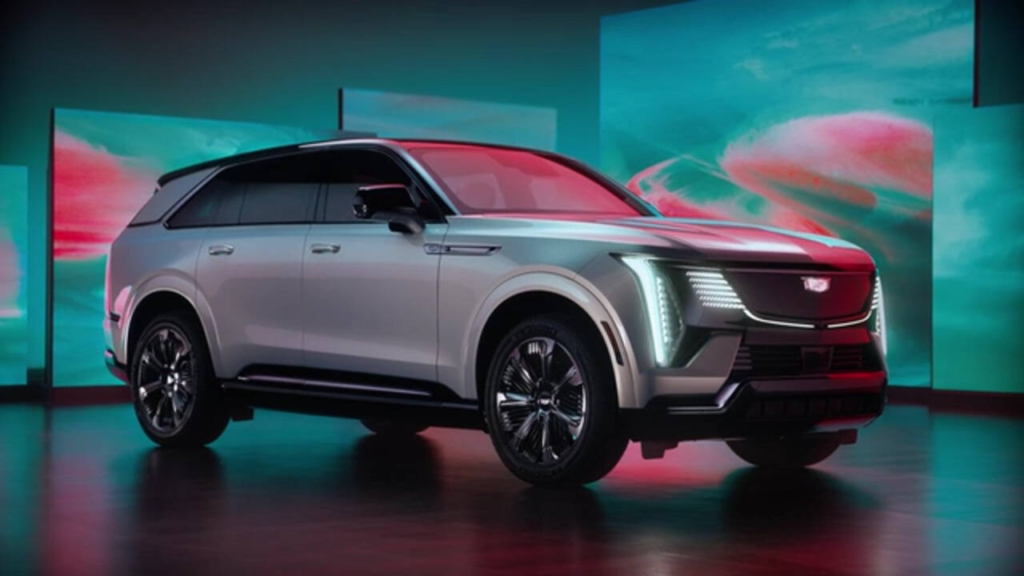
You’ll find a broad selection of 2026 EVs that can drive upwards of 300 miles on a single charge. The 2026 Lucid Air luxury sedan can drive up to a whopping 420 to 512 miles on one charge, depending on the Auto Industry model and horsepower. Other long-range EVs include:
- Audi A6 Sportback e-tron, an electric sedan: up to 392 miles
- Chevrolet Silverado truck: up to 478 miles
- BMW iX3: up to 400 miles
- Hyundai IONIQ 9 SUV: up to 335 miles
- Toyota bZ SUV: up to 314 miles
- The Kia EV9 SUV: up to 305 miles
- Nissan Leaf crossover vehicle: up to 303 miles
A Wave of Used EVs and Hybrids
The number of EVs hitting the used car market is projected to spike in 2026, according to the 2024 J.D. Power E-Vision Intelligence Report. The used EV influx will arrive as U.S. consumers return approximately 250,000 EVs that come off lease in 2026.
With the large number of terminated leases, Auto News you may be able to score a used EV at a bargain price. For example, in 2025, a used Nissan Leaf trade-in value was around 43% less than its 2022 MSRP, according to consumer auto resource Edmunds. The 2022 Hyundai IONIQ 5 had a trade-in value of $22,205 — just 44% of the original price.
Late-model used EVs are less likely than gas-powered vehicles to need repairs, because EVs don’t have as many moving parts as traditional cars. Even so, Edmunds recommends purchasing a certified pre-owned electric vehicle with an extended warranty for added peace of mind.
If you’re ready to go the distance in your used EV, just remember that older models won’t likely have the long ranges boasted by 2026 EVs.
More Advanced Driver Assistance Systems
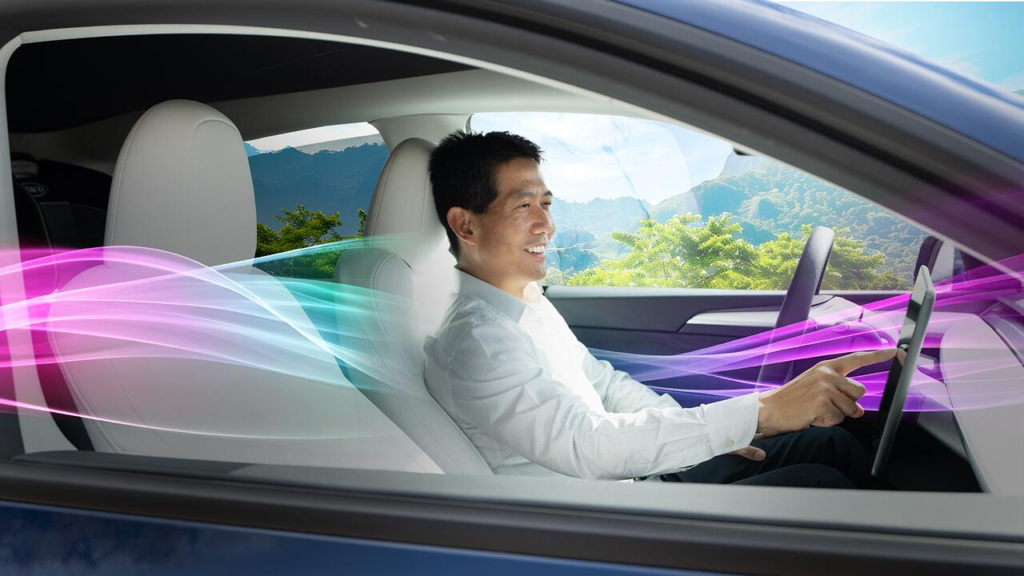
Advanced driver assistance systems (ADAS) are a standard feature of many new cars in 2026. ADAS automate certain driving tasks to help increase driver awareness. These technologies make driving safer by reducing distractions that could take your eyes off the road.
If you’re driving a late-model car, it likely already has ADAS features such as collision avoidance alerts, the ability to take control of the car to avoid crashing, emergency braking or lane departure alerts. Now 2026 models have additional ADAS features, including:
- Connected vehicle technology: “V2X” is an umbrella term for vehicle-to-vehicle (V2V) and vehicle-to-infrastructure (V2I). technologies. This technology allows your and other vehicles equipped with V2V or V2I safety systems to communicate via a wireless network. With V2V, your vehicle sends information to other cars. For example, if a car far ahead of you with Auto News V2V brakes while you’re in a long line of vehicles, that information transmits to other cars with V2Vto help prevent a collision. Another V2V feature assists at intersections and warns of crash dangers when turning left. With V2I, urban and highway systems can communicate a vehicle edging out of a lane or impending stoplight changes.
- Front-crash prevention: This ADAS technology uses cameras, sensors, radar, and light-detection and ranging (lidar) to help stop rear-end collisions due to being too close. The system may also ready the brakes for maximum effect.
- Automatic rear braking: These ADAS systems warn you and apply the brake while backing up if you’re about to scrape against a metal pole or another object. Some vehicles also have an alert and automatic braking for approaching cross traffic behind your vehicle.
- Adaptive cruise control: This ADAS feature changes your car speed based on the cars in front of and around you to adapt to changing traffic conditions.
- Traffic signal recognition: A car-mounted camera detects and recognizes traffic signals and signs, including signs for construction ahead, so you can process the information quickly and adapt your speed accordingly.
- Steering assistance: Some ADAS technologies include a feature that steers your car back into the lane when you veer outside the lines.
- Conversational voice-activated AI: This isn’t a common feature yet, but certain Volkswagen models come with subscription-based Premium Speech. This AI voice-activated technology allows more natural, conversational requests. Auto NewsFor example, instead of asking the AI assistant to set the temperature, you can just say, “I’m cold,” and the system kicks on the heat. Say “I’m hungry” and the AI tech suggests nearby restaurants. Conversational AI also suggests destination sightseeing options and creates entertaining stories to listen to while driving. You can check out a video demonstration of Volkswagen’s voice-activated AI to see this technology in action.
Automotive Trend Impact Analysis
The Tree Map below showcases the trends shaping the automotive industry in 2026. EVs drive the shift to greener mobility and it is aided by advancements in semiconductors for smarter and efficient vehicles.
Sensor fusion and autonomous vehicle technologies enhance Auto News safety and enable intelligent driving solutions while ADAS bridges the gap to full autonomy.
Car connectivity and telematics improve the driving experience with real-time data integration. Cybersecurity protects these connected systems, while regenerative braking and sustainable manufacturing practices reduce the environmental impact.
Electric Vehicle Sales Surpass 17M Annually
The global electric vehicle market was valued at ~USD 393.42 billion in 2025 and is expected to reach USD 2.45 trillion by 2034. It is expected to grow at a CAGR of 22.69%.
Advances in solid-state batteries promise higher energy density and faster charging times, while the expansion of ultra-fast chargers addresses key barriers to EV adoption. With the growing popularity of bidirectional charging (V2G) technology, EVs now contribute energy to the grid to improve stability.
China is expected to lead the market, with EVs reaching a 29.7% share. Europe is projected to reach a 20.4% market share, while the US is likely to reach 11.2%.
Further, as part of larger decarbonization efforts, the Intergovernmental Panel on Climate Change (IPCC) emphasizes the contribution of EVs to the reduction of greenhouse gas emissions.
ARK MOTORS builds Electric Vehicles
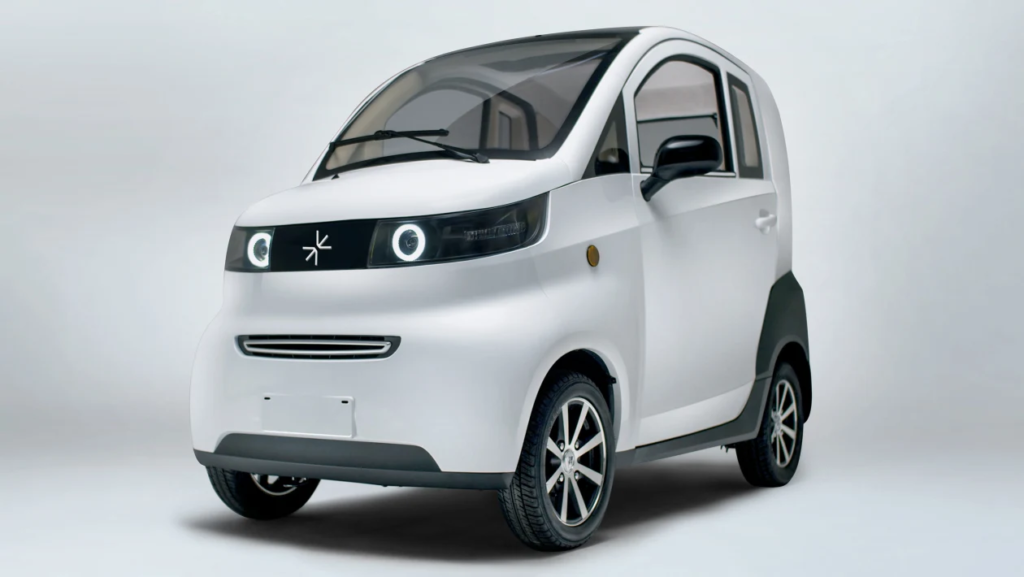
UAE-based startup ARK MOTORS produces electric vehicles using carbon composite materials for urban environments. Its product, FALAK, includes a curved panoramic windscreen, a spacious passenger area, and Auto News a customizable interior for taxis, businesses, and VIPs.
With zero emissions, low noise, and a range of up to 400 km, FALAK offers a sustainable urban mobility solution. The startup emphasizes comfort with electric doors, extended safety features, and panoramic views from all seats. ARK MOTORS combines a payload capacity of 500 kg and a top speed of 160 km/h.
Unified Online & In-Store Dealmaking
Dealers are facing a common challenge: Auto News fragmented workflows that slow down deals and frustrate both staff and shoppers. Looking ahead to 2026, the ability to unify online and in-store dealmaking won’t just be a competitive advantage—it’ll be essential for delivering the speed and transparency your customers expect.
Your goal is to streamline every step of the sales process by connecting shoppers and sales professionals through AI-powered workflows. Whether a customer starts their journey online or in the showroom, dealerships can create a smoother, more seamless experience by empowering sales teams to structure and compare deals side by side, greet customers quickly, and initiate deals from a single screen. This unified approach eliminates bottlenecks, reduces manual entry, and keeps the focus on closing deals efficiently.
In a market where every minute counts, unified dealmaking will be the foundation for dealership success in 2026.
AI-Powered Insights for Smarter, More Efficient Deals
AI-powered workflows are changing the way deals get done. Instead of relying on guesswork, dealers can tap into real-time insights — like buyer signals, financing preferences, and trade-in values—to create offers that feel personalized and fair. It’s a smarter, faster way to move from negotiation to agreement, and it builds trust by giving shoppers transparency without compromising profitability.
The advantage lies in embedding intelligence directly into the sales process. When workflows combine dealer expertise with behavioral data from millions of shoppers, sales teams can structure smarter deals from a single screen, compare options instantly side-by-side from the same screen, and eliminate manual bottlenecks. The result is a streamlined experience that keeps negotiations efficient, reduces friction, and positions dealerships to deliver the speed and confidence today’s customers expect.
FAQs
1. What are the latest car trends in 2026?
The biggest trends include electric vehicles, hybrid technology, smarter safety systems, connected-car features, and improved in-car entertainment.
2. Are electric vehicles becoming more common in 2026?
Yes, electric vehicles are becoming more popular as more buyers look for efficient and environmentally friendly driving options.
3. What technology is becoming popular in new cars?
New cars are increasingly offering digital dashboards, connected features, advanced infotainment systems, smartphone integration, and driver-assistance technology.
4. Are petrol cars still a good option in 2026?
Yes. Petrol cars can still be a practical choice, especially for buyers who want easy refuelling and have limited access to EV charging.
5. What should I consider before buying a new car in 2026?
Consider the overall price, running costs, fuel efficiency or driving range, safety features, comfort, maintenance, warranty, and your everyday driving needs.